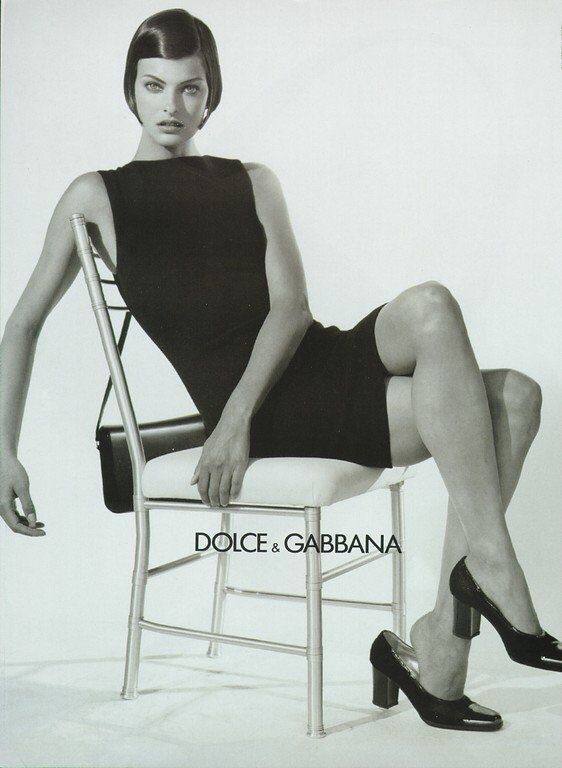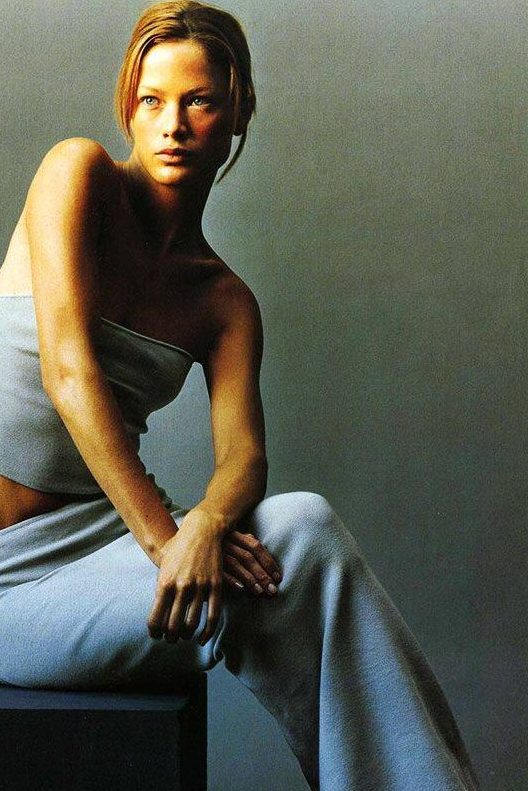
In an era defined by excess, the 1990s offered a whisper instead of a scream. The decade’s minimalism wasn’t just a fashion movement — it was a cultural reset. After the glitz of the ’80s, the world craved purity, restraint, and an effortless kind of luxury. It was the decade when less truly became more — and its influence still shapes the way we dress today.
The Essence of 90s Minimalism
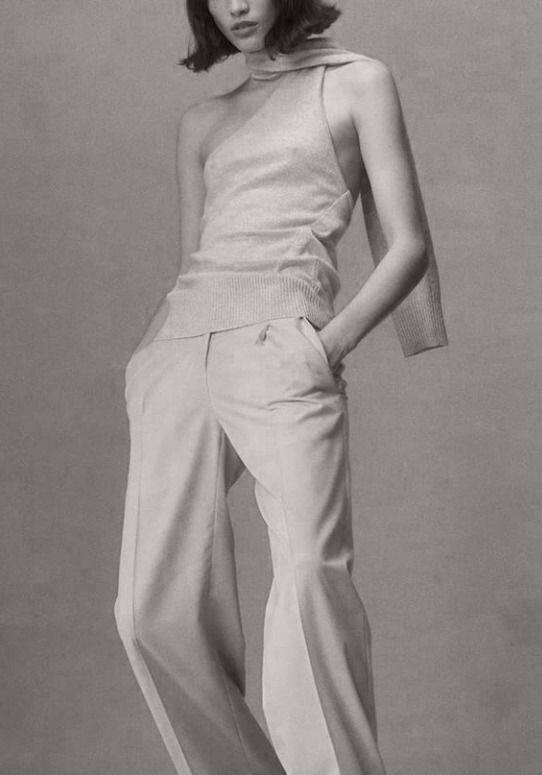
90s minimalism was born from a rebellion against visual noise. Designers like Calvin Klein, Jil Sander, Helmut Lang, and The Row’s future muses introduced silhouettes that were stripped to perfection: sharp tailoring, clean lines, neutral palettes. The focus shifted from embellishment to structure, from status to substance.
This was not simplicity for simplicity’s sake — it was intentional design. A perfect white shirt became a statement. A black slip dress became power. The message was clear: confidence doesn’t need decoration.
Fashion historian Linda Welters once wrote, “Minimalism was about clarity — of line, of purpose, of identity.” It wasn’t just a look, it was a mindset.
The Icons Who Defined the Look
If there was ever a decade that built its own pantheon of minimalist muses, it was the 90s. Carolyn Bessette-Kennedy became the face of quiet luxury, walking the streets of New York in ivory slip dresses and crisp tailoring — every appearance a masterclass in understatement. Kate Moss, with her undone hair and bias-cut silk, turned minimalism into sensuality. Gwyneth Paltrow, Jennifer Aniston, and Winona Ryder embodied the clean, cool aesthetic that defined a generation.
On the runways, Christy Turlington, Naomi Campbell, and Linda Evangelista glided in sleek monochrome — showing that simplicity could be as powerful as any couture gown.
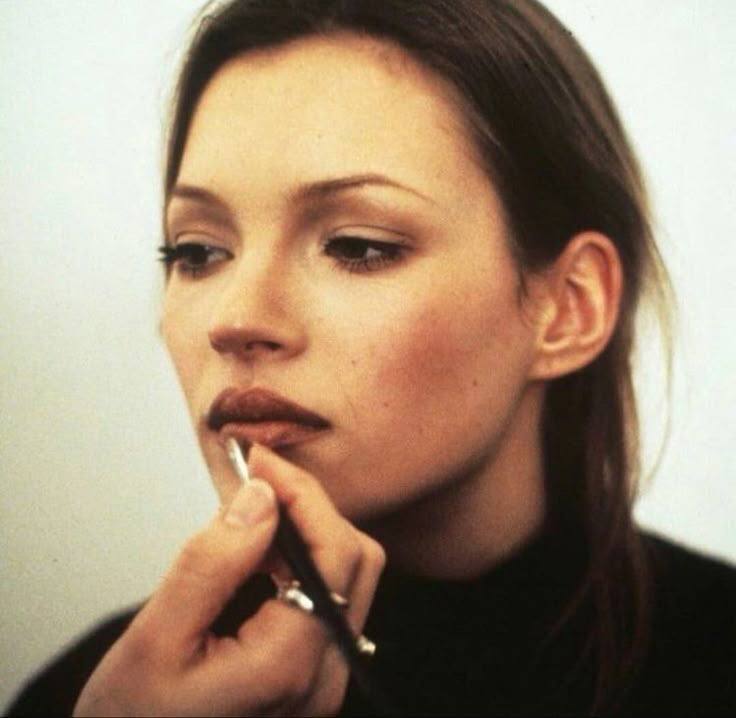
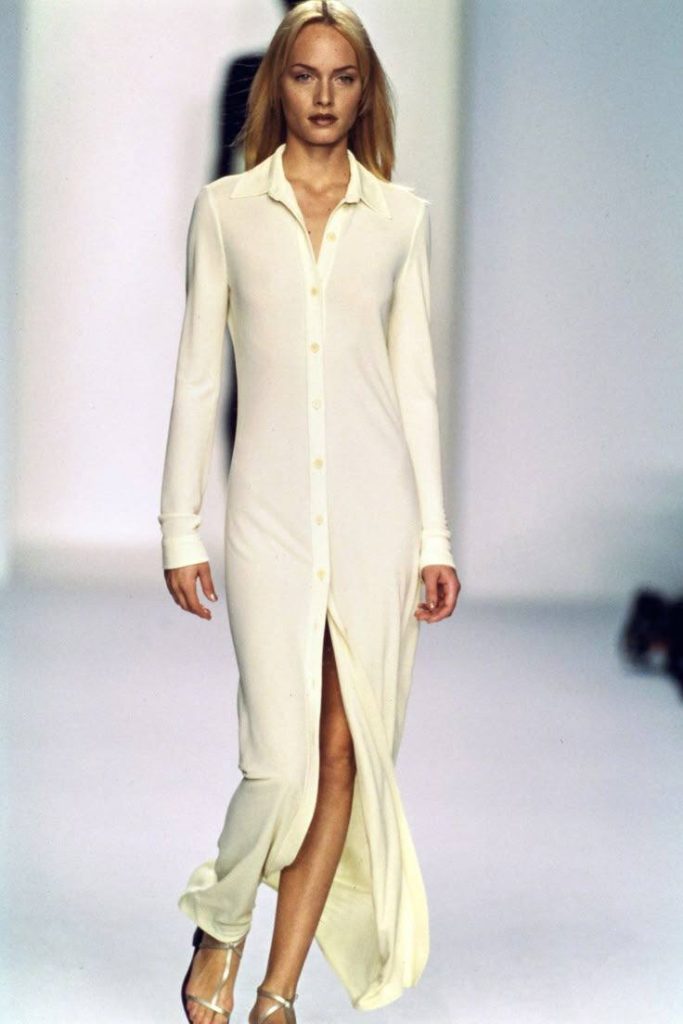
The Designers Who Changed Everything
Calvin Klein’s 90s campaigns — shot by legends like Richard Avedon and featuring a young Kate Moss — distilled the spirit of the time: raw, intimate, real. Jil Sander mastered purity, creating clothes that spoke the language of intelligence and precision. Helmut Lang blurred boundaries between art and fashion, introducing minimalism with a modern, industrial edge.
These designers understood restraint not as absence, but as intention. Every stitch had purpose. Every fabric was a whisper of quiet confidence.
The Minimalist Mood Today
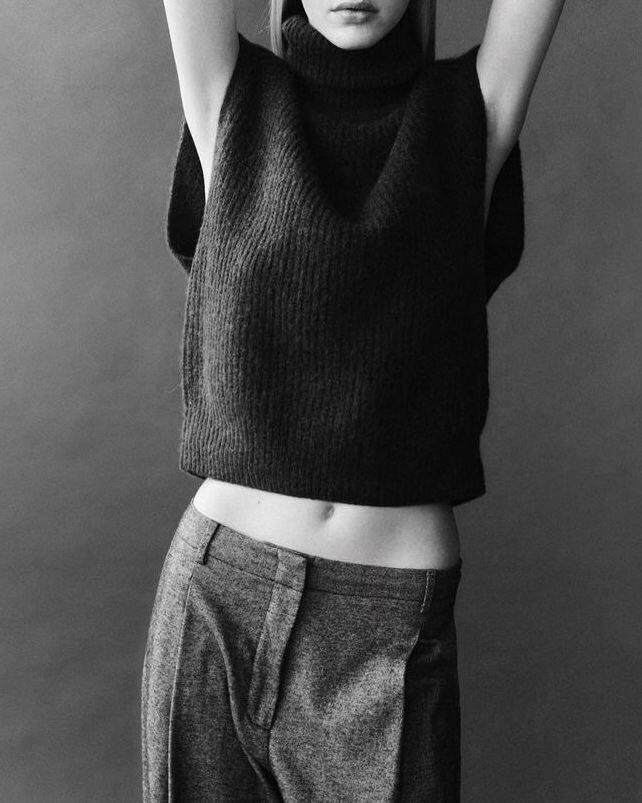
Fast-forward to 2025, and the aesthetic is back — reinterpreted for a generation that lives both online and off. The return of quiet luxury and the rise of “clean girl” style on social media echo the same ethos: timelessness, quality, and control.
Brands like The Row, Totême, COS, and Lemaire carry the minimalist torch forward — emphasizing form over flash, texture over trend. Even the digital age, with its chaos and saturation, finds peace in the clarity of a monochrome wardrobe and a perfectly cut blazer.
The Psychology of Simplicity
Minimalism’s endurance lies in emotion. In a fast-moving, hyper-connected world, it offers stillness. Studies in consumer psychology reveal that people associate minimalist design with calmness, authenticity, and competence. In fashion, that translates to trust — the quiet assurance that style doesn’t need to shout to be seen.
Why the 90s Still Matter
The 90s were more than a look — they were a statement about confidence, identity, and intention. To wear a crisp white shirt today is to nod to a generation that redefined what it meant to be stylish. Minimalism, at its core, isn’t about doing less — it’s about knowing enough.
“Style is about subtraction,” Helmut Lang once said. And perhaps, in an age where more is always more, the true mark of elegance is restraint.