Before it became one of the most-watched fashion events in the world, the Victoria’s Secret Fashion Show began with little more than silk, ambition, and a dream. The year was 1995, and the venue was the Plaza Hotel in New York City—a modest stage for what would soon become a global spectacle. Timed just before Valentine’s Day, the show was a clever marketing move designed to boost mid-winter lingerie sales. Yet, what began as a boutique presentation quickly transformed into a cultural phenomenon that would define an era of glamour and fantasy.
By 1999, the event had gone digital, livestreamed to more than 1.5 million online viewers—a groundbreaking move that cemented its place in both fashion and internet history. The show’s mix of sensuality, music, and theatricality gave rise to the modern idea of “fashion entertainment,” where the runway was no longer just about clothes—it was about performance, power, and allure.
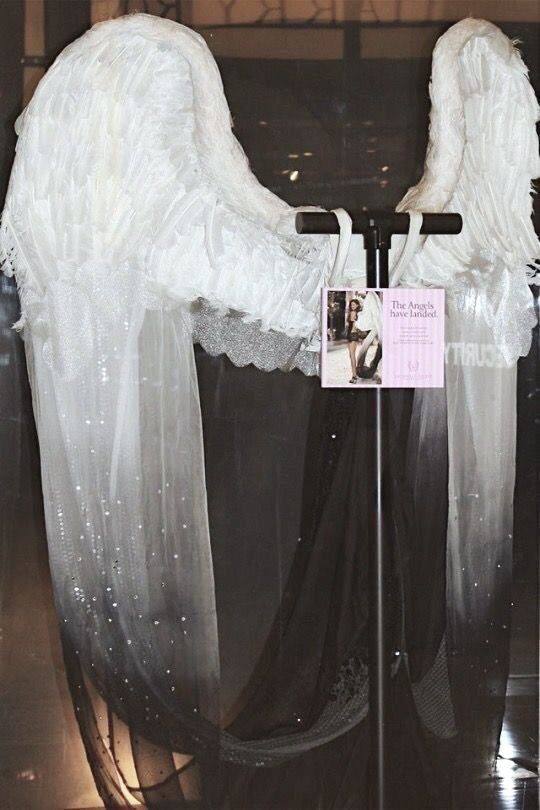
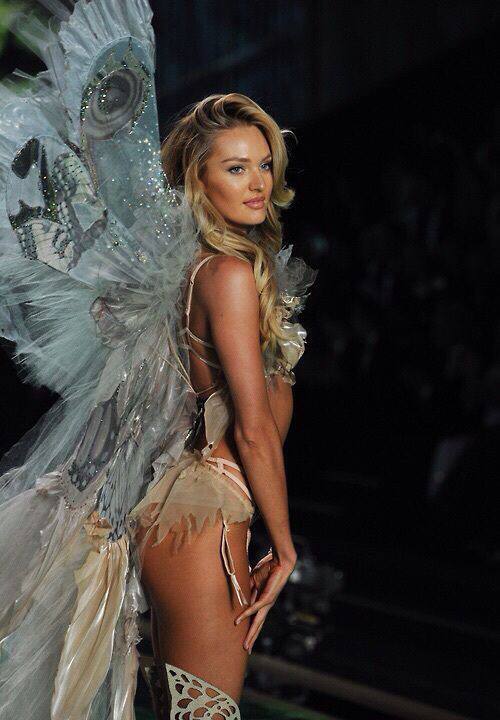
Then came the Angels. In 1997, Victoria’s Secret introduced its first official roster—Tyra Banks, Helena Christensen, Karen Mulder, Daniela Peštová, and Stephanie Seymour—each one embodying the brand’s signature mix of confidence and charisma. A year later, the wings appeared, and with them, an icon was born. Crafted by artisans and costume designers, each pair took hundreds of hours to create, often weighing more than thirty pounds and adorned with feathers, Swarovski crystals, and metalwork. They became more than accessories—they were symbols of transformation, ambition, and artistry.
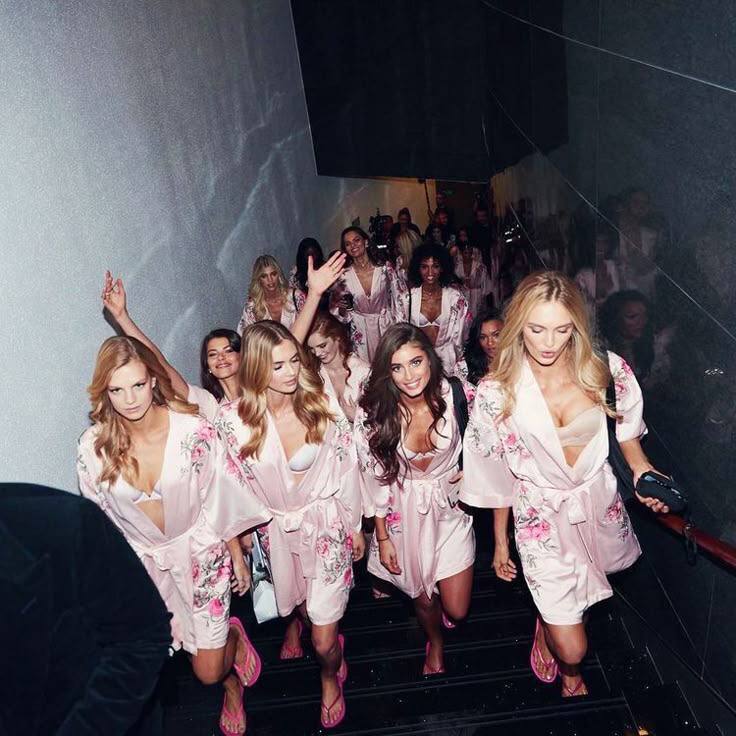
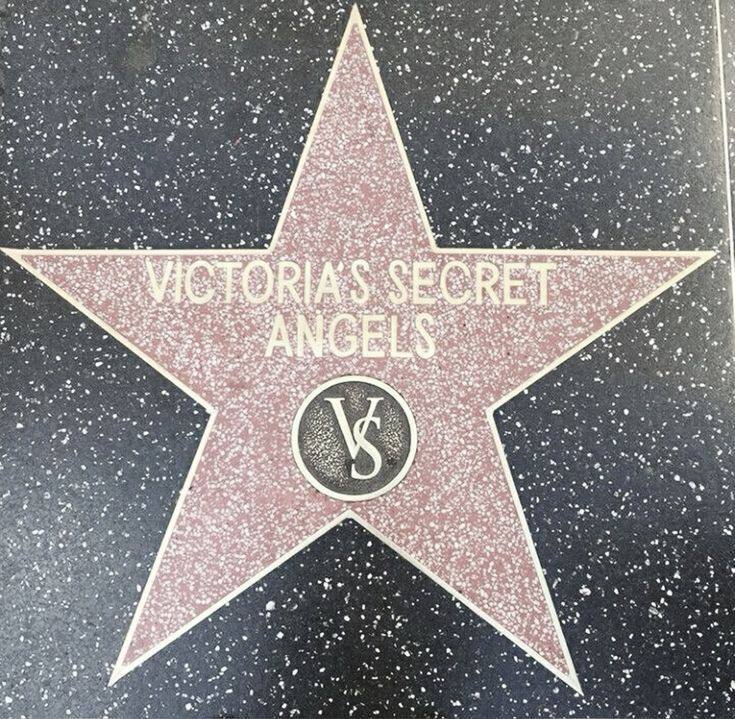
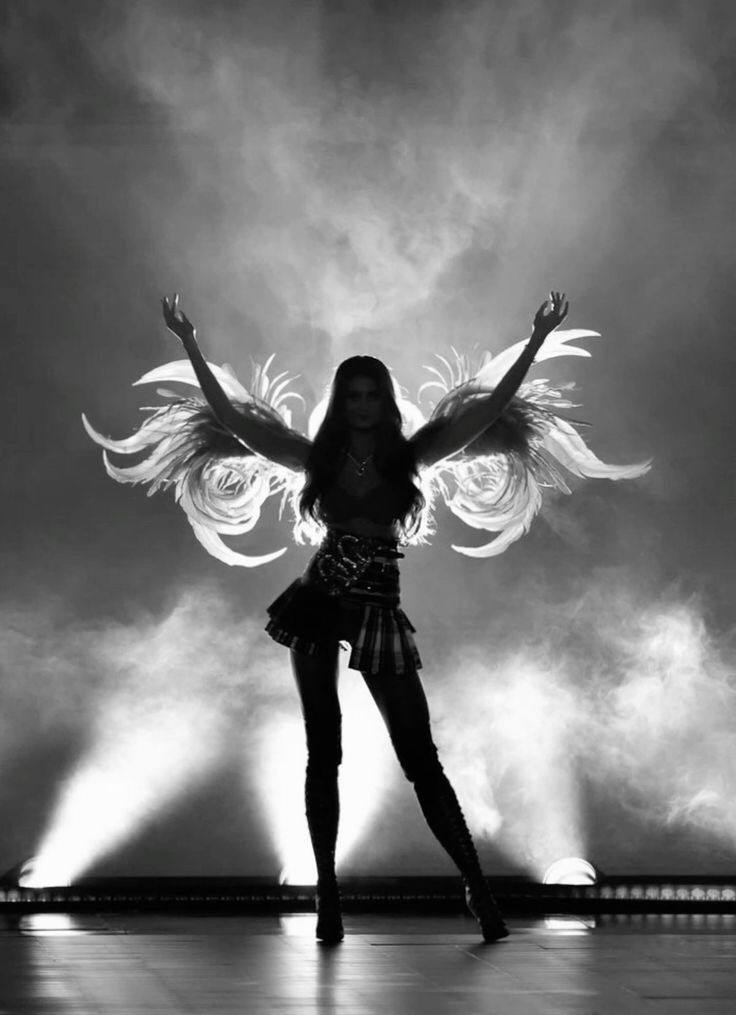
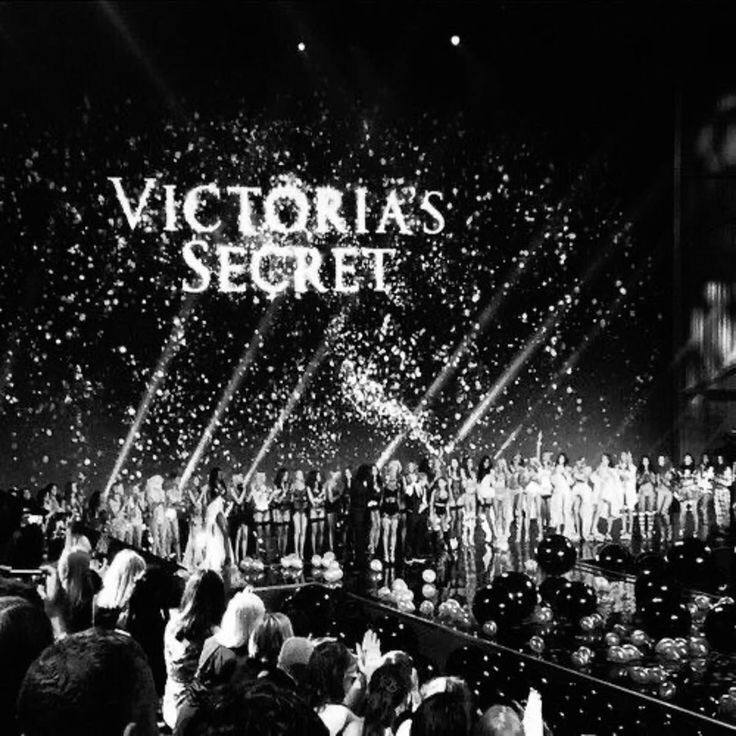
The early 2000s were the show’s golden years. Models like Gisele Bündchen, Adriana Lima, and Heidi Klum reigned supreme, while the runway became a stage for global music superstars. Beyoncé, Rihanna, and The Weeknd didn’t just perform—they became part of the fashion narrative, blurring the lines between the concert hall and the catwalk. Broadcast to over 200 countries, the show drew millions of viewers annually, its themes ranging from “Heavenly Bodies” to “Parisian Nights” and “Snow Angels.”
Perhaps nothing captured the show’s extravagance more than the Fantasy Bra—a dazzling centerpiece first introduced in 1996. Designed in collaboration with top jewelers, each piece was a feat of craftsmanship and luxury. Gisele Bündchen’s 2000 “Red Hot Fantasy Bra” remains the most expensive ever made, valued at a staggering $15 million and encrusted with over 1,300 precious stones. Each creation was custom-fitted to its model and took months to design, a blend of haute couture and high jewelry unmatched in fashion history.

Behind the glamour, however, was meticulous artistry. The show’s production required a team of more than 400 people—designers, seamstresses, engineers, choreographers—working for months to perfect every detail. Fittings could take ten rounds to ensure that every costume moved seamlessly with the model’s body. The result was a performance that merged craftsmanship with choreography, fantasy with physical endurance.
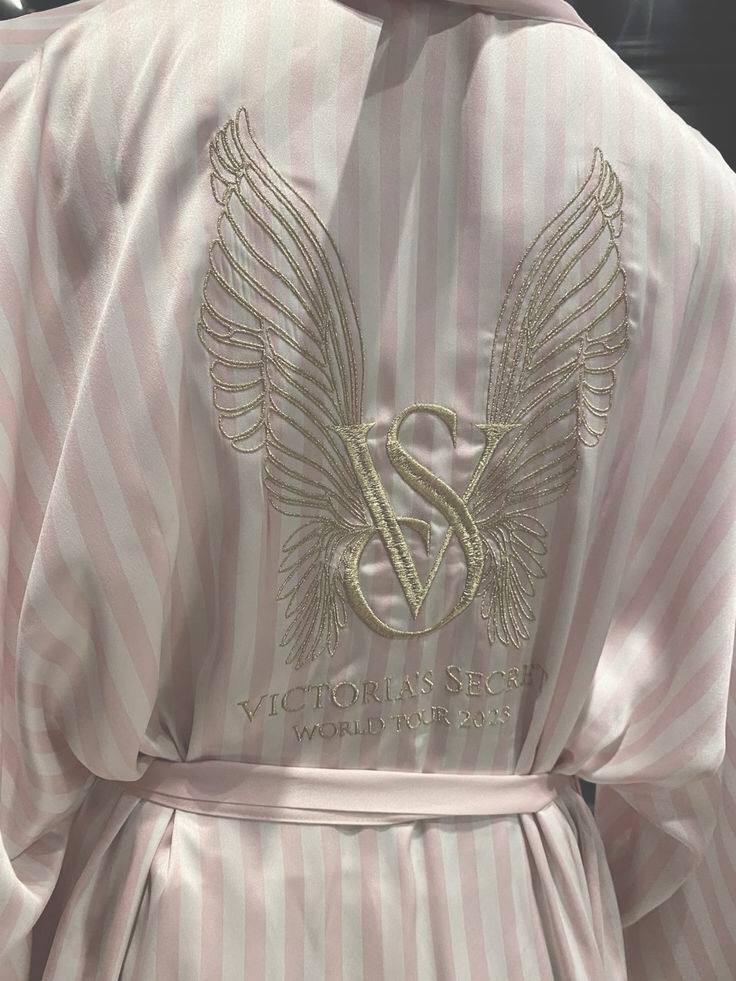
But as fashion evolved, so too did its cultural conversation. By 2019, the show went on hiatus amid calls for greater diversity and inclusivity. The era of the “Angels” faded, giving way to reflection and reinvention. When Victoria’s Secret returned in 2023 with The World Tour, it wasn’t just a revival—it was a redefinition. The new format spotlighted female filmmakers, designers, and artists from Lagos, London, Tokyo, and Bogotá, shifting focus from spectacle to storytelling.
The Victoria’s Secret Fashion Show remains one of the most fascinating chapters in modern fashion history—a mirror of its time, both dazzling and divisive. From million-dollar wings to global reinvention, it is the story of beauty reborn, of a brand learning to trade fantasy for authenticity. And perhaps that is the most powerful transformation of all.